 Mattresses
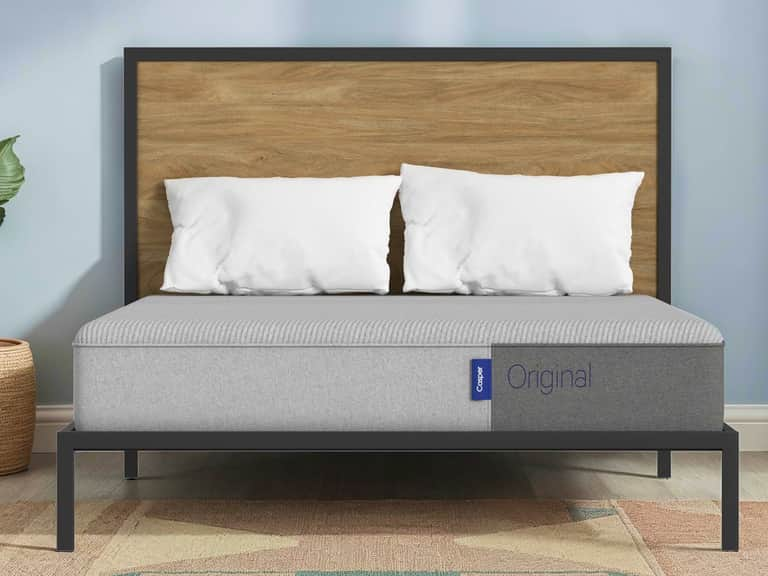
Original Mattress
Sleep cooler and cradled by responsive foam that hugs your curves, while three-zone support keeps your spine aligned and balanced all night for uninterrupted, restful comfort.
Foam mattresses are designed to adapt to body contours, providing targeted support and pressure relief across the sleep surface. In this category, emphasis is placed on different foam formulations, such as memory foam and polyurethane blends, which influence firmness, cooling, and motion isolation. Understanding these materials helps match a mattress to sleeping position and comfort preferences.
The Original Mattress combines a high-density foam core with a comfort layer that balances support and conformance. Key features often include zoned support grades to align the spine, open-cell construction for breathability, and durable materials that maintain shape over time. This option is suitable for sleepers seeking persistent contouring without excessive sink-in.
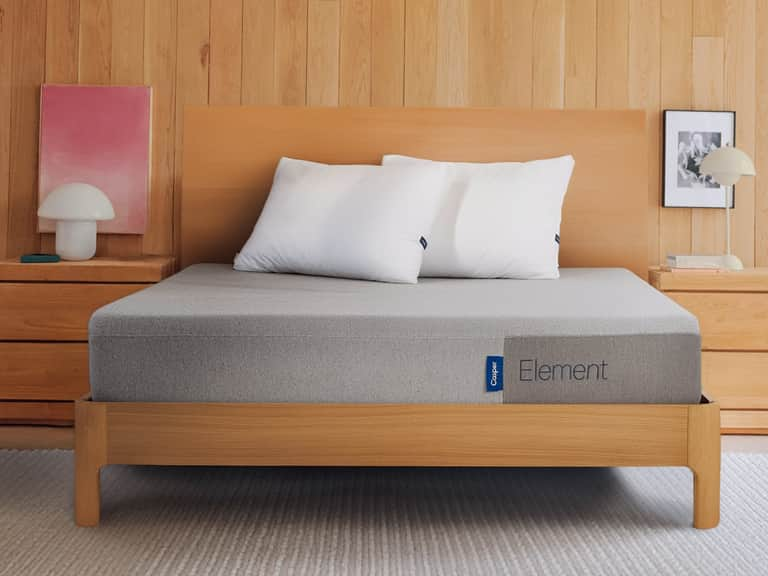
The Element Mattress emphasizes enhanced pressure relief and breathability through layered foam build and airflow-enhancing designs. Functional benefits typically include reduced motion transfer for light sleepers and couples, plus a surface that adapts to different sleeping styles. Its foam composition supports a stable, balanced feel across the bed.
In addition to core materials, foam mattresses may incorporate cooling technologies like gel infusions or perforated foams to promote temperature regulation. The category also considers durability, zoning, and edge support, ensuring a reliable sleep surface for varying body weights and sleep positions. Materials science informs the long-term comfort and performance of these models.
For consumers exploring bedding options, foam mattress choices intersect with pillows, sheets, and organic mattresses to form a cohesive sleep system. Understanding how memory foam pillows complement contouring, or how breathable sheets pair with foam cores, enhances overall usability and sleeping ergonomics. Keywords such as bedding and memory foam pillows guide informed comparisons within this foam mattress category.
Mattresses
 Mattresses