Understanding Latex Mattress Technologies: What Sets Latex Apart in Sleep Comfort
A clear guide to latex mattress technology, comparing natural and synthetic latex, and explaining how materials influence support, temperature regulation, and durability. This piece highlights practical considerations for choosing a latex mattress across different sleep positions.
In the quiet arc of a night’s sleep, the mattress is more than a surface; it is a dialogue between body, habit, and environment. Among the modern materials that promise a balanced blend of resilience and comfort, latex stands apart for its combination of buoyant support, contouring rebound, and breathability. To understand how latex can shape a night of restorative rest, we must trace its manufacture, distinguish natural from synthetic sources, and examine the signaling details that matter most when selecting a mattress for different sleep positions and lifecycles.
What latex is and how it is made
Latex used in mattresses comes from the milky sap of rubber trees. The sap is processed into blocks or cores that form the mattress’s comfort layer, sometimes layered with other materials for enhanced cushioning or durability. There are two primary production processes that define the feel of latex: Dunlop and Talalay. Each method shapes density, elasticity, and the way the foam rebounds after compression.
The Dunlop process yields a denser, more supportive core. The latex is poured into a mold and cured as a single mass, resulting in a firmer, often more uniform feel with generous contouring that responds with immediate lift. This method is historically robust, and its resulting feel tends to be forgiving for sleepers who press into the surface, offering steady support without excessive sink.
The Talalay process is more intricate. It introduces additional steps—creating a precisely staged gas exposure and vacuum to achieve a lighter, more uniform cellular structure. The result is a softer, more buoyant feel with higher air movement. Talalay latex typically offers a quicker response to pressure and more pronounced bounce, which some sleepers associate with a cradling sensation that still returns to form quickly.
Beyond these processes, the latex in many mattresses can be classified as natural latex, synthetic latex, or a blend. Natural latex is derived from rubber tree sap (often combined with small amounts of other natural ingredients to stabilize the foam). Synthetic latex is produced chemically, and blended latex sits somewhere in between. The proportion of natural versus synthetic content can influence the mattress’s odor profile, durability, and environmental footprint. For health-conscious shoppers, certifications and disclosures—such as GOLS (Global Organic Latex Standard) or GOTS (Global Organic Textile Standard) for surrounding fabrics—offer independent assurance about organic content and production practices.
Natural latex versus synthetic or blended latex
Natural latex offers a buoyant, springy lift that can feel akin to a soft, well-supported cradle. It tends to sleep cooler than many dense memory foams because the open-cell structure allows for ample airflow and moisture dissipation. Many sleepers appreciate natural latex for its ability to conform to the body’s curves without sinking excessively, which helps preserve spinal alignment across varied sleeping positions.
Synthetic latex, produced through petrochemical processes, can be more predictable in density and price. It may deliver a firmer feel or a different balance of bounce and contour. Blended latex, combining natural and synthetic components, aims to balance the favorable properties of both—often reducing cost while preserving a degree of elasticity and comfort.
When evaluating a latex mattress, it is useful to consider the intended lifecyle and the room’s climate. Natural latex is inherently durable and resistant to breakdown from body heat; however, its performance can hinge on the overall design, including the thickness of the latex layer and the layering strategy with other foams or coils. Heat regulation in latex mattresses is also influenced by air channels, cover fabrics, and the presence of breathable layers such as cotton or wool that wick away moisture and facilitate airflow.
Certifications and what they mean for content and sustainability
For many readers, certification is a beacon of credibility in the bedding world. The Global Organic Latex Standard (GOLS) defines organic content and rigorous processing requirements for latex products, helping to ensure that the latex is derived from organic sources and manufactured under controlled conditions. The presence of GOLS certification signals a commitment to organic content and responsible production practices, reducing exposure to chemical additives in the latex itself and the manufacturing chain.
Similarly, the Global Organic Textile Standard (GOTS) speaks to the organic integrity of the textile components—ticking, covers, and fabrics used in the mattress. While GOTS does not certify latex itself, it provides a framework for assessing the organic quality of the surrounding materials that contribute to the overall environmental footprint and consumer health considerations of a mattress product.
Beyond heavyweight certifications, there are other indicators that help readers gauge quality: the presence of explicit material disclosures, a clear description of the layering structure, and transparent warranties. When a mattress enumerates its latex content along with the exact production method and the thickness of the latex layer, readers can form a more precise expectation of how the product will respond to their typical sleeping patterns and body weight distribution.
Selecting latex for different sleep positions
Sleep position is a practical lens through which to evaluate latex’s performance. Each position places different demands on support, alignment, and pressure relief. The following outlines typologies of sleep posture and how latex materials commonly interact with them.
- Back sleepers: Require balanced support along the lumbar region with minimal pressure points. A medium to medium-firm natural latex layer often works well, offering the buoyant lift to keep the spine aligned without excessive compression at the lower back.
- Side sleepers: Benefit from a bit more contouring around the shoulders and hips. A slightly softer latex layer or a zoned design can help reduce pressure buildup in these broader joints while preserving spinal alignment.
- Stomach sleepers: Typically require firmer support to prevent excessive sinkage that can misalign the neck and spine. A firmer latex layer can help maintain a stable posture, though it may feel less enveloping than blends that provide gentle lift without collapsing at the midsection.
In practice, many latex mattresses adopt a multi-layer architecture. A common approach is to place a perimeter-resistant, firmer latex layer at the edges to improve edge support, paired with a softer latex zone at the center to cradle the heavier parts of the body. The goal is to foster spinal alignment from the skull through the pelvis, with a gradual transition in firmness that respects the body’s natural S-curve.
Durability, care, and lifecycle considerations
Latex’s durability is among its strongest selling points. Natural latex resists compression set and retains resilience across many years of use, a trait that translates into longer lifespans relative to some viscoelastic foams. The lifetime of a latex mattress is influenced by the thickness of the latex layer, the density of the latex, and the overall system design—whether it is a pure latex core, a latex layer over springs, or a hybrid combination with other foams.
Care considerations are straightforward but important for longevity. Regularly rotating the mattress, following manufacturer guidance on flipping (if applicable), and protecting the surface with a breathable cover can preserve loft and uniform response. Good airflow around the mattress helps prevent heat buildup and moisture accumulation, which can extend the mattress's useful life and maintain comfort across seasons.
Practical checks when evaluating latex options
When assessing latex mattresses, practical checks can translate to an informed purchase. Consider these steps as a quick field guide:
- Understand the core structure: Identify whether the latex is a single-layer block or part of a multi-layer arrangement. Note the thickness of the latex layer and whether it is natural, synthetic, or a blend.
- Test the feel with your body in mind: If possible, lie on the mattress in your typical sleep position for several minutes. Pay attention to how your hips, shoulders, and spine feel, and whether you experience sustained comfort or pressure points.
- Check airflow and heat management: Look for breathable covers and materials that promote air movement. Latex naturally breathes well, but the surrounding fabrics and layering can significantly influence temperature regulation.
- Confirm certifications and materials declarations: Seek explicit statements about latex content and any certifications such as GOLS. This helps you compare across brands with confidence.
A note on integration with bedding ecosystems
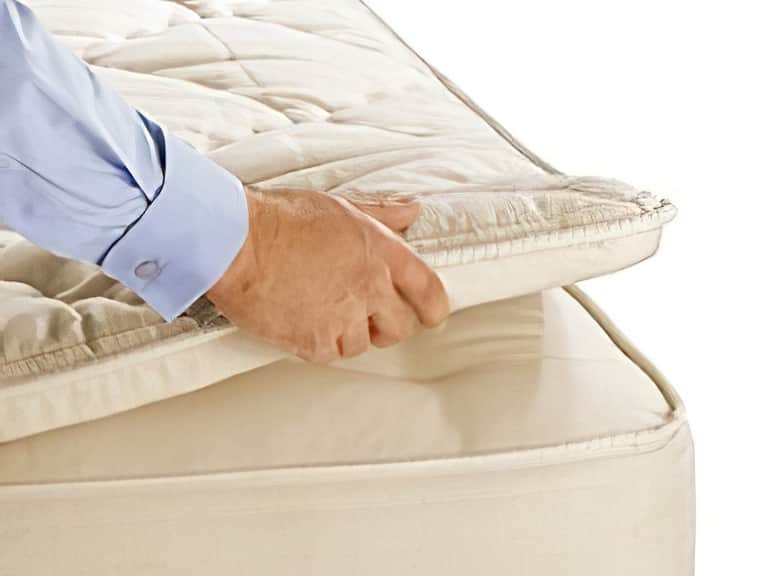
In a complete sleep environment, the mattress is only part of a broader ecosystem. The interaction between latex and other components—pillow choices, sheets, and toppers—shapes the night’s experience. For example, a breathable organic cotton or wool cover can complement latex’s natural breathability by further facilitating moisture management. A well-chosen pillow, aligned with your sleep position, ensures the neck and head remain in proper alignment, preserving the benefits offered by the mattress beneath.
Real-world considerations: durability, cost, and value
Latex mattresses often come with a higher upfront price relative to some all-foam options, reflecting the materials’ durability and comfort characteristics. Over the long horizon, many sleepers find latex to provide meaningful value in the form of fewer sag points and longer functional lifespans. This longevity can offset the initial investment for households seeking a stable, reliable sleep surface that maintains its shape and support across years of use.
In choosing a latex mattress, readers should consider personal budget, climate, and sleep goals. If cooling is a priority, favored materials and layering should emphasize airflow and moisture-wicking fabrics. If back support and durability are paramount, a denser natural latex layer with careful edge support design may offer the best blend of resilience and alignment.
Case study: understanding a latex-based selection in practice
Imagine a reader who sleeps predominantly on their back with occasional side-sleeping during tense periods. They might gravitate toward a mattress that uses a medium-firm natural latex layer, sized to deliver balanced support across the lumbar region while offering enough contour to cradle the hips and shoulders when they roll onto their side. The best-fit choice would be a model that communicates clear material transparency—natural latex content with a verifiable certification, a cover that breathes, and a layering sequence that preserves spinal alignment without excessive sinkage. This combination aligns with the mattress’s promise of longevity and the reader’s aspirations for restful, predictable sleep cycles.
Conclusion: latex as a durable, breathable path to better sleep
Latex remains a resilient thread in the tapestry of modern sleep technology. Its distinctive blend of buoyant support, responsive contouring, and thermal regulation offers a dependable path to comfort for a wide range of sleepers. By understanding the nuances of natural versus synthetic content, the role of manufacturing processes like Dunlop and Talalay, and the importance of credible certifications, readers can navigate a crowded market with confidence. The goal is not merely to buy a mattress but to invest in a sleep environment that respects the body’s geometry, supports healthy alignment, and remains comfortable across the seasons of life.
Further reading and practical resources
For readers seeking to deepen their understanding of latex and sleep science, consider consulting clinical guidelines and peer-reviewed literature on sleep health, circadian biology, and ergonomics. Look for sources that explain the relationship between mattress materials and sleep quality, incorporating independent testing and expert perspectives. A thoughtful approach blends consumer education with a respect for the science of rest, yielding a more informed path to nights that restore energy and focus for the day ahead.
Note: This article emphasizes educational and informational content. Content references are intended to illuminate material properties and practical considerations rather than advocate for specific product purchases. Readers should verify product specifications, certifications, and warranties directly with manufacturers or retailers before making decisions.
Related products on this site
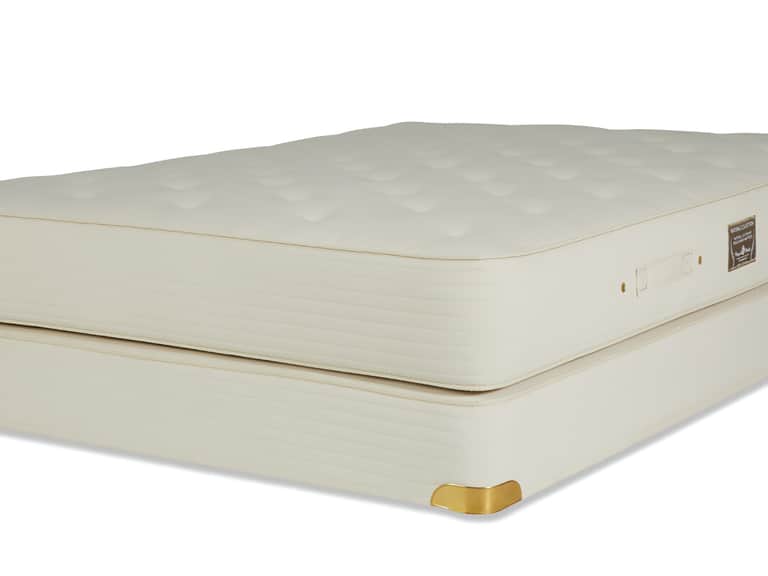
The following item is a representative example from our catalog that aligns with the themes of natural materials and thoughtful construction. It illustrates how a high-quality mattress integrates fabric choices, wool wrapping, and orthopedic considerations in a way that complements latex-based technologies.
Royal-Pedic Natural Cotton Mattress with Wool Wrap
Brand: Royal-Pedic
Price: $6,550.00
Description: A luxurious innerspring mattress with a chemical-free wool wrap for comfort and a traditional, orthopedic support profile.
Link: /products/royal-pedic-natural-cotton-mattress-with-wool-wrap-602
For readers seeking deeper diversity, the catalog includes a range of premium latex-friendly layers, pillowtop options, and high-end spring architectures that underscore the language of comfort discussed here. While latex is a central protagonist in the story of sleep comfort, the total sleeping system—the mattress core, the cover, and the bedding ecosystem—works in concert to deliver restorative nights.